DYH-16 High Head Resin Seal Anti-fouling 16W jäähdytystuulettimen vesipumppu
Tässä suljetussa vesipumpussa on magneettinen teräsroottori, joka on täysin eristetty vedestä, mikä estää jäteveden sedimentaatiota estämästä roott...
See Details [email protected]
 +86-575-83698898 / +86-13605859208 / +86-13615854385
 KIELI
KIELI

A low-noise Air Cooler Pump generally provides better user comfort with minimal performance trade-offs, while a standard Air Cooler Pump often delivers similar water circulation efficiency but produces noticeably higher operational noise. In most modern cooling systems, the low-noise version performs within 5–10% efficiency difference compared to standard pumps, making it the preferred choice for indoor environments such as bedrooms and offices where sound control is important.
However, if cost and basic functionality are the priority, a standard Air Cooler Pump remains a practical option, especially in environments where noise is not a major concern such as workshops or outdoor cooling setups.
The most significant difference between both pump types is acoustic output. A low-noise Air Cooler Pump typically operates at 25–35 dB, which is comparable to a quiet library environment. In contrast, a standard Air Cooler Pump usually operates between 40–55 dB, which is clearly audible in quiet rooms.
This difference becomes important in sleeping environments. For example, in a 20 m² bedroom, a low-noise pump reduces perceived background disturbance by up to 60%, improving sleep quality and concentration during work or study.
Both pump types are designed to circulate water through cooling pads, but the internal structure differs slightly. A standard Air Cooler Pump may deliver marginally higher raw flow rates, often around 600–1000 L/h, while low-noise pumps usually range between 550–950 L/h.
Despite this slight difference, real-world cooling performance remains almost identical because evaporation efficiency depends more on pad quality and airflow rather than pump noise design.
Low-noise Air Cooler Pump systems are often engineered with optimized motor coils, resulting in 10–20% lower energy consumption compared to standard models. A typical low-noise pump consumes around 8–15 watts, while a standard pump may consume 10–20 watts.
Over long-term usage, this difference can reduce annual electricity costs, especially in regions where air cooling systems operate for more than 6 hours per day.
Standard Air Cooler Pumps often use simpler mechanical structures, while low-noise pumps incorporate vibration-dampening materials. As a result, low-noise versions typically have a longer lifespan of 2–4 years under regular usage, compared to 2–3 years for standard pumps.
However, durability also depends heavily on water quality, maintenance frequency, and operating conditions.
The air cooler water pump price varies significantly depending on design and noise control technology. Standard pumps are generally more affordable, ranging from basic entry-level pricing, while low-noise versions typically cost 15–40% more.
This price difference is mainly due to enhanced motor balancing, insulation materials, and precision engineering used to reduce vibration and acoustic output.
Modern cooling systems often use an air cooler submersible pump configuration, where the pump operates fully immersed in a water tank. Both low-noise and standard pumps are compatible with this setup, but low-noise models perform better in enclosed water tanks due to reduced vibration resonance.
Submersible systems also help extend pump life by providing natural cooling and reducing mechanical stress, especially during continuous operation.
Low-noise pumps require slightly more precise maintenance due to tighter tolerances. Regular cleaning every 2–4 weeks is recommended to prevent sediment buildup. Standard pumps may tolerate slightly longer maintenance intervals but may accumulate noise-related wear faster over time.
Proper maintenance ensures stable water flow and prevents performance degradation in both pump types.
| Feature | Low-Noise Air Cooler Pump | Standard Air Cooler Pump |
|---|---|---|
| Noise Level | 25–35 dB | 40–55 dB |
| Energy Use | 8–15 W | 10–20 W |
| Lifespan | 2–4 years | 2–3 years |
| Cost | Higher (15–40% more) | Lower |
When selecting between the two, users should consider environment, budget, and noise sensitivity. If comfort and quiet operation are priorities, a low-noise Air Cooler Pump is the optimal choice. If cost efficiency is more important and noise is not a concern, a standard Air Cooler Pump remains a reliable alternative.
Ultimately, both options perform the same core function, but the low-noise variant enhances overall user experience significantly in residential environments.
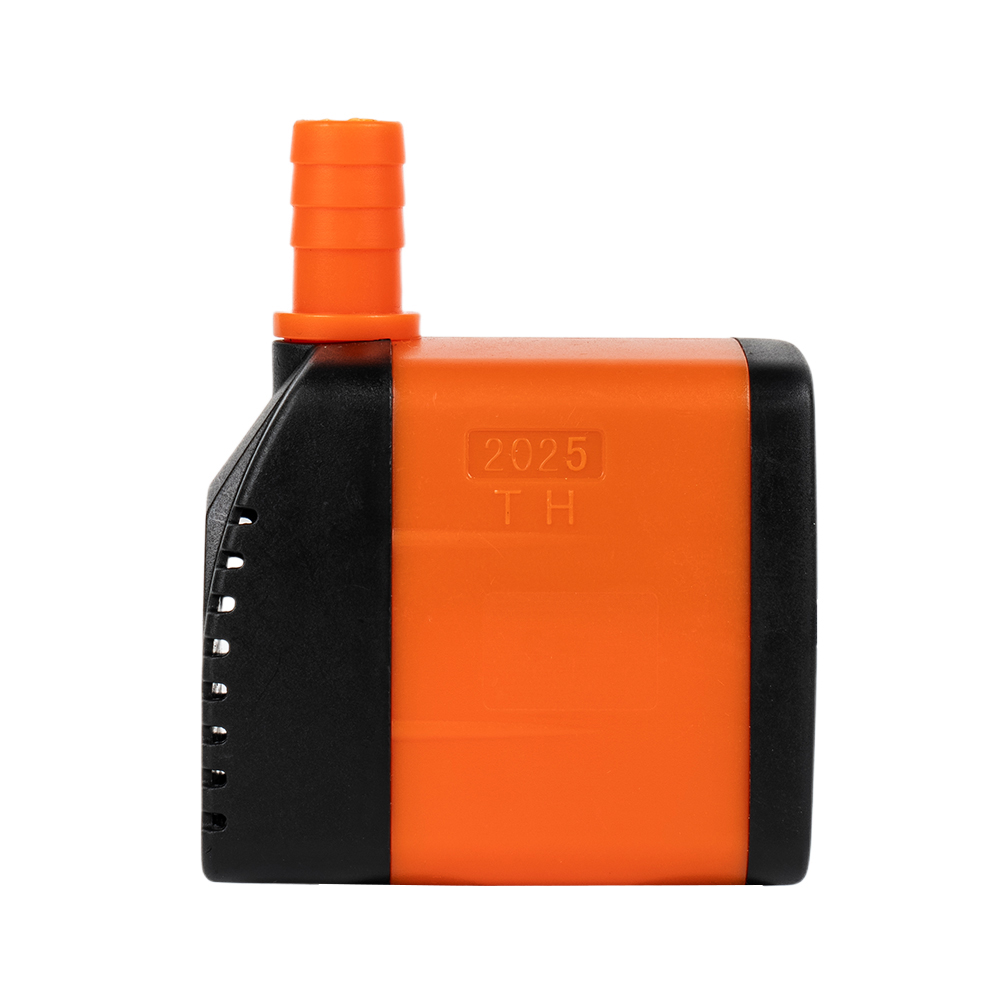
Tässä suljetussa vesipumpussa on magneettinen teräsroottori, joka on täysin eristetty vedestä, mikä estää jäteveden sedimentaatiota estämästä roott...
See Details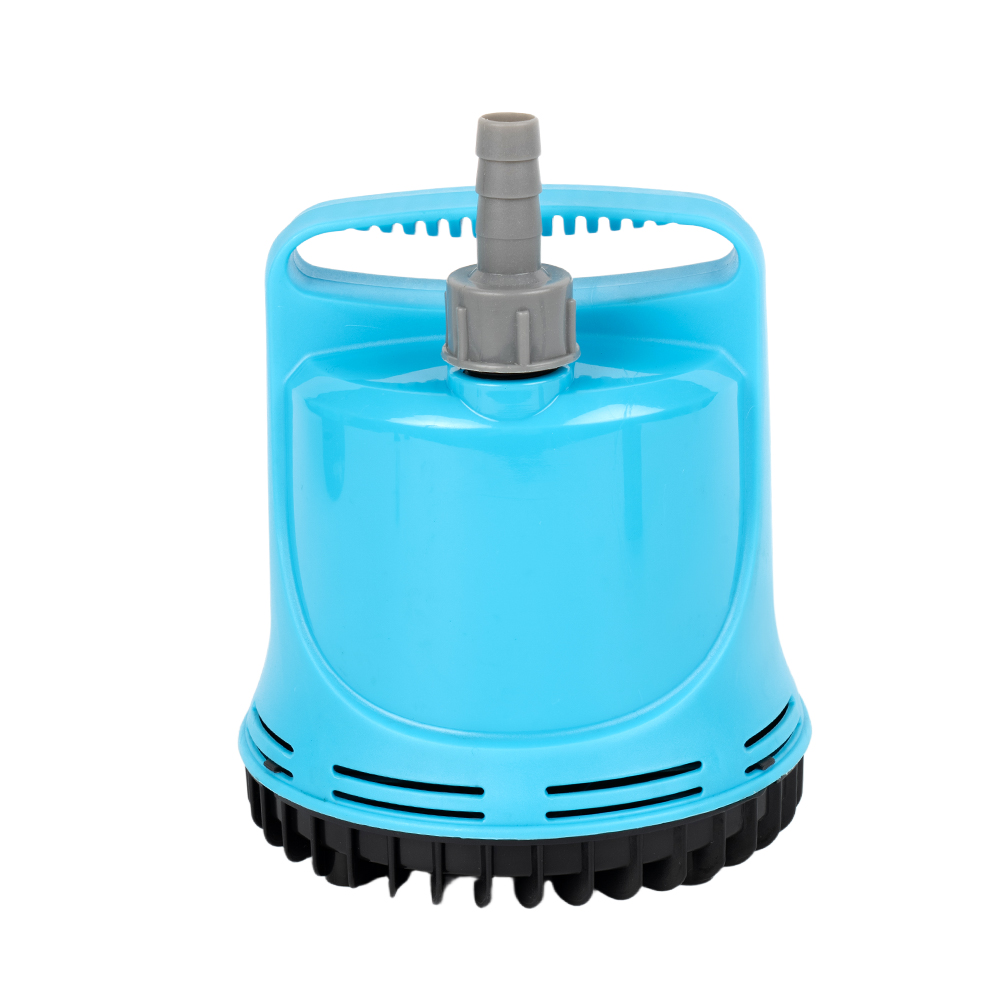
DYH-45 suuren kokoinen pohjaimuuppopumppu on suunniteltu tehokkaaseen vedenhallintaan teollisuus- ja asuinsovelluksissa. Tämä äskettäin vahvistetus...
See Details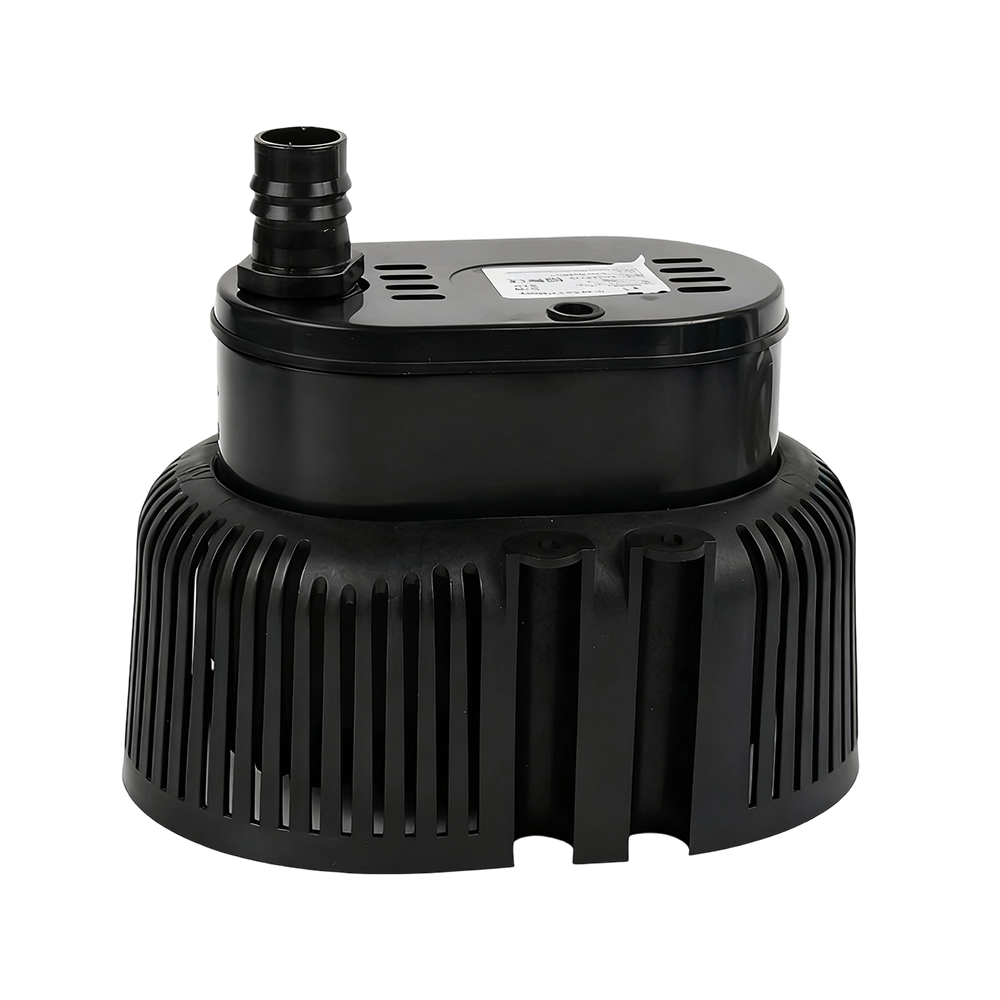
Suora toimitus tehtaalta, räätälöinti tuettu. Sovellukset: Soveltuu erilaisiin skenaarioihin, mukaan lukien teollisuusilmastointi, mekaanisten lait...
See Details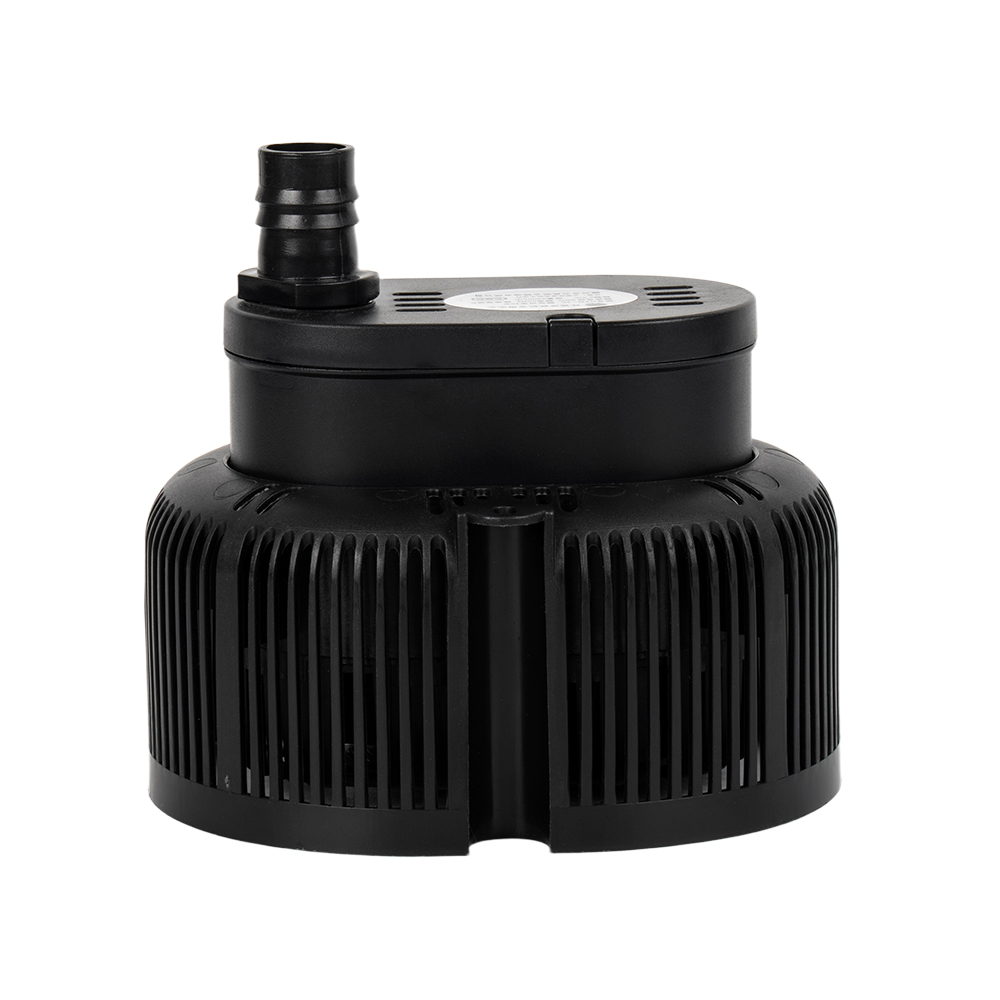
Sekä keraamiset että teräsakselit ovat muokattavissa, ja niissä on kuivumista estävä muotoilu ja hartsitiiviste. Suuren kuormituksen laakerit kestä...
See Details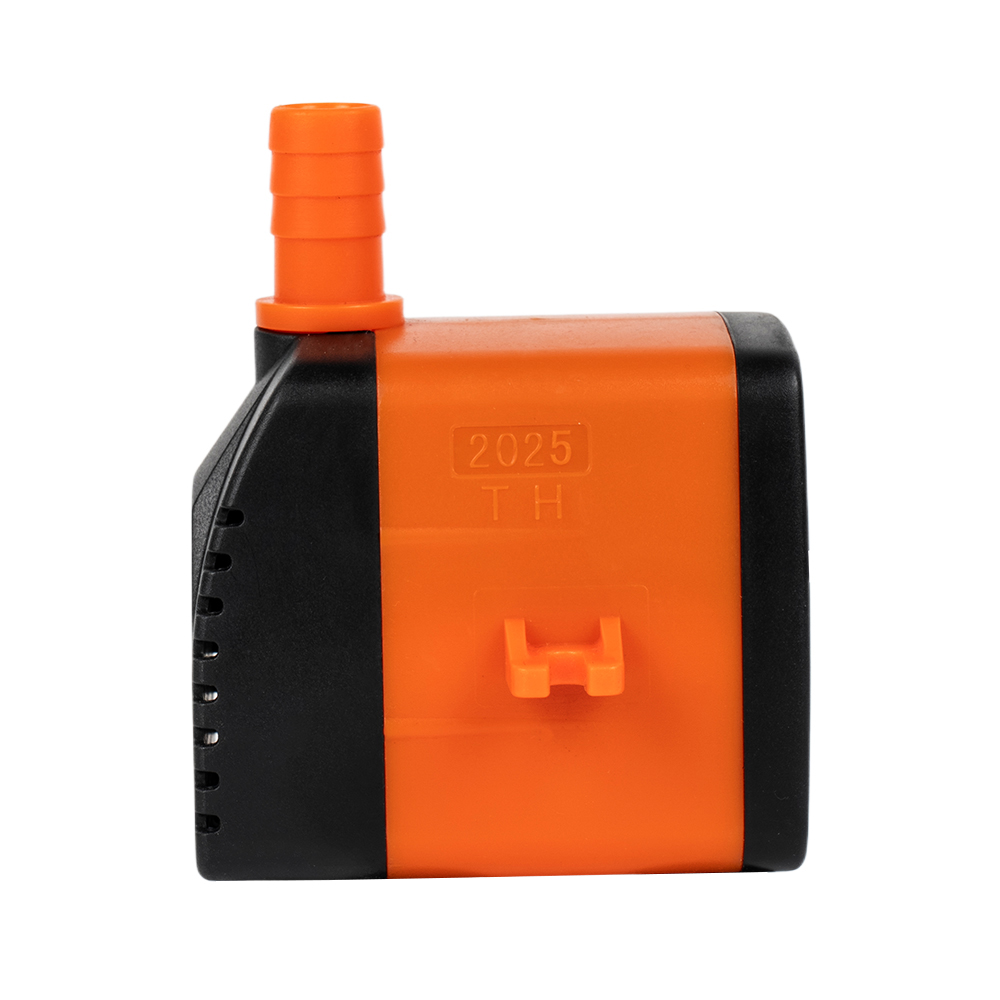
Suora toimitus tehtaalta, räätälöinti tuettu. Käyttökohteet: Vesijäähdytteiset sähkölaitteet, kuten haihdutusilmastointilaitteet, ilmastointilaitte...
See Details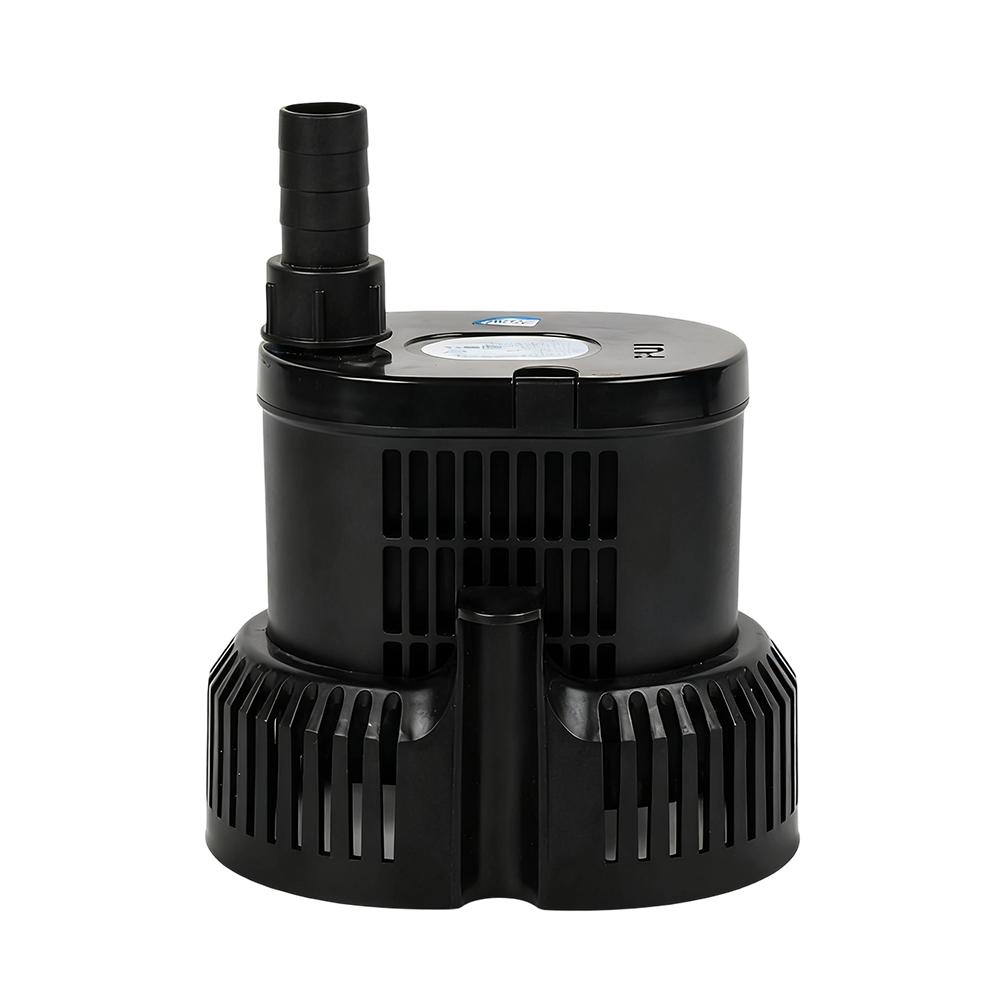
Soveltuu monenlaisiin sovelluksiin, mukaan lukien teollisuusilmastointi, koneiden jäähdytys, suihkulähteiden maisemointi ja akvaariot. Tämä mall...
See DetailsIlmanjäähdyttimen tyhjennyspumppujen esittely Kestävän ja kustannustehokkaan ilmastonhallinnan...
READ MOREMikä on ilmajäähdytinpumppu? Ilmanjäähdytinpumpun määritelmä Ilmanjäähdytinpumppu on olenna...
READ MORETeollisuuden haihdutusjäähdytyspumppujen esittely An teollinen ilmanjäähdytinpumppu ...
READ MORE


+86-13605859208
+86-13615854385
+86-15167555022

Tekijänoikeus © Shengzhou Tianhao Aluminum Foundry Co., Ltd.
Kaikki oikeudet pidätetään.
 Tukkuhaihdutusvesipumppujen valmistajat
Ota yhteyttä